How to Grow Strawberries Hydroponically in Small Spaces, Quick 4-Step Setup
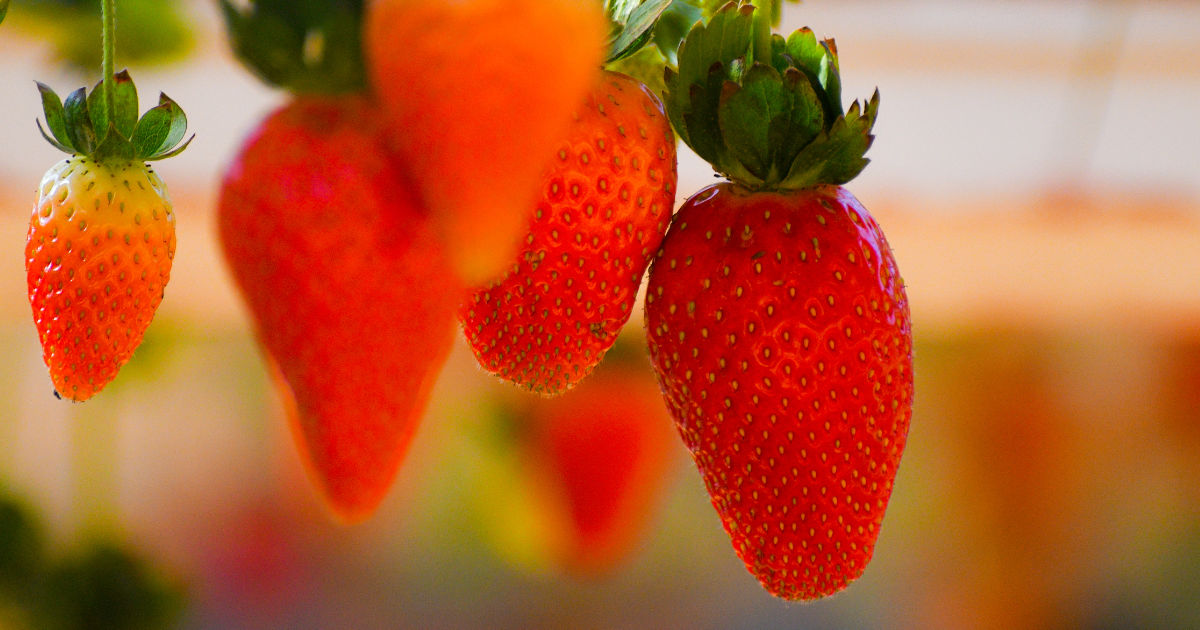
Why Hydroponic Strawberries Are Perfect for Tiny Spaces
We’ll show how to grow juicy strawberries hydroponically in balconies, windowsills, or closets. Our quick four-step setup saves space, water, and time while delivering bigger yields than soil. No experience needed; we make it simple and practical today for you.
What We Need
Step 1 — Choose the Right System and Location
Which system fits our balcony—tiny Kratkys or slick vertical racks?Choose the system that fits our space, schedule, and budget. For a windowsill or tiny balcony, pick a Kratky or passive wick system — no pump, nearly hands-off, and whisper-quiet. If we want vertical stacking on a shelf, choose NFT or a small ebb-and-flow to spread plants over levels.
Measure the footprint and height of the spot. Prefer narrow, tall units to save floor space and make harvesting easy; avoid deep tubs that force us to bend awkwardly. Check natural light: strawberries need 10–14 hours of bright light. Add a 20–40W LED grow light per tray if sun is limited.
Consider these quick factors before buying:
Measure our space, pick the system and varieties, and get ready to build in Step 2.
Step 2 — Build the System and Install Reservoir & Plumbing
Build it in an afternoon — yes, even with basic tools and a $30 budgetBuild our unit step-by-step so it’s reliable and low-fuss. Prep the reservoir — we clean a food-safe container and size it to hold at least 5 L per 4–6 plants (example: a 10–15 L tote handles ~8–12 plants and cuts refill trips).
Mount the pump on a flat shelf and route tubing up to the grow tray or NFT channel. Drill evenly spaced holes for net pots 4–6 inches apart depending on cultivar spread. Line NFT channels with a gentle slope of about 1–2% (≈1–2 cm drop per meter) so the nutrient film returns to the reservoir.
Use net pots 2–3 inches deep and fill with coco coir or perlite for good root anchorage. For Kratky, suspend pots over the reservoir keeping a visible air gap above the water line so roots get oxygen. Sanitize tools and rinse media before use.
Install a simple timer for pumps and lights and set short, frequent irrigation cycles (for pumps: 5 minutes every 30–60 minutes, with longer off periods overnight). Run the system with water first to check for leaks and steady flow. Label lines and mark reservoir level before planting.
Step 3 — Plant, Feed, and Care for Young Plants
Feed them right — are we accidentally starving or overfeeding our berries?Plant seedlings in small plugs or transplant young bareroots into net pots; position crowns so they sit just above the medium to prevent rot.
Mix hydroponic nutrient per the label for fruiting crops and aim for these targets:
Check pH and EC regularly and adjust slowly—sharp swings cause stress and nutrient lockout.
Space plants 6–8 inches between crowns for compact varieties so leaves don’t touch and airflow stays good.
Train runners by removing most during the first two months to concentrate energy on fruiting; keep a few if we want replacements.
Pollinate flowers manually indoors by gently brushing each bloom with a soft paintbrush or run a small fan for short bursts to mimic wind.
Watch for gray mold, aphids, or nutrient burn/deficiencies and spot-treat with neem, insecticidal soap, or by dialing nutrient strength back.
Keep a simple log of pH, EC, water temperature, and harvest dates so we spot trends quickly.
Remember: small notes save big headaches—we once fixed berry drop by correcting slow pH drift.
Rotate crops annually.
Step 4 — Maintain, Troubleshoot, and Harvest
Harvest secrets — tiny tweaks that make strawberries taste like summerInspect roots weekly. Healthy roots are white and turgid, not brown or slimy—think firm like cooked pasta, not mushy or smelly.
Top off the reservoir to keep our target EC (1.2–1.8 mS/cm) and pH (5.8–6.2); change the solution every 2–3 weeks to prevent biofilm and odors.
Prune dead leaves and thin fruit clusters—remove tiny secondary berries so the main ones get more energy and better flavor (leave 1–3 strong berries per cluster).
Harvest in the morning when berries are fully red but still firm; refrigerate within an hour or eat immediately for peak taste.
Check EC, pH, and roots first if yields drop; replace the reservoir when water looks cloudy or smells odd.
Manage pests early: set sticky traps, pick off insects by hand, and introduce biological controls (ladybugs for aphids, predatory mites for spider mites).
Scale up by replicating our module and staggering planting dates for a steady supply.
Avoid overfeeding nitrogen late and give lots of light during fruit formation—switch to a bloom nutrient if needed.
Keep notes, adjust one variable at a time, and enjoy the harvest.
Enjoy Your Fresh Strawberries!
We set up, planted, and maintained our compact hydroponic system in four simple steps; with brief daily checks and proper light, we’ll enjoy continuous, flavorful strawberries even indoors—ready to try?




27 comments